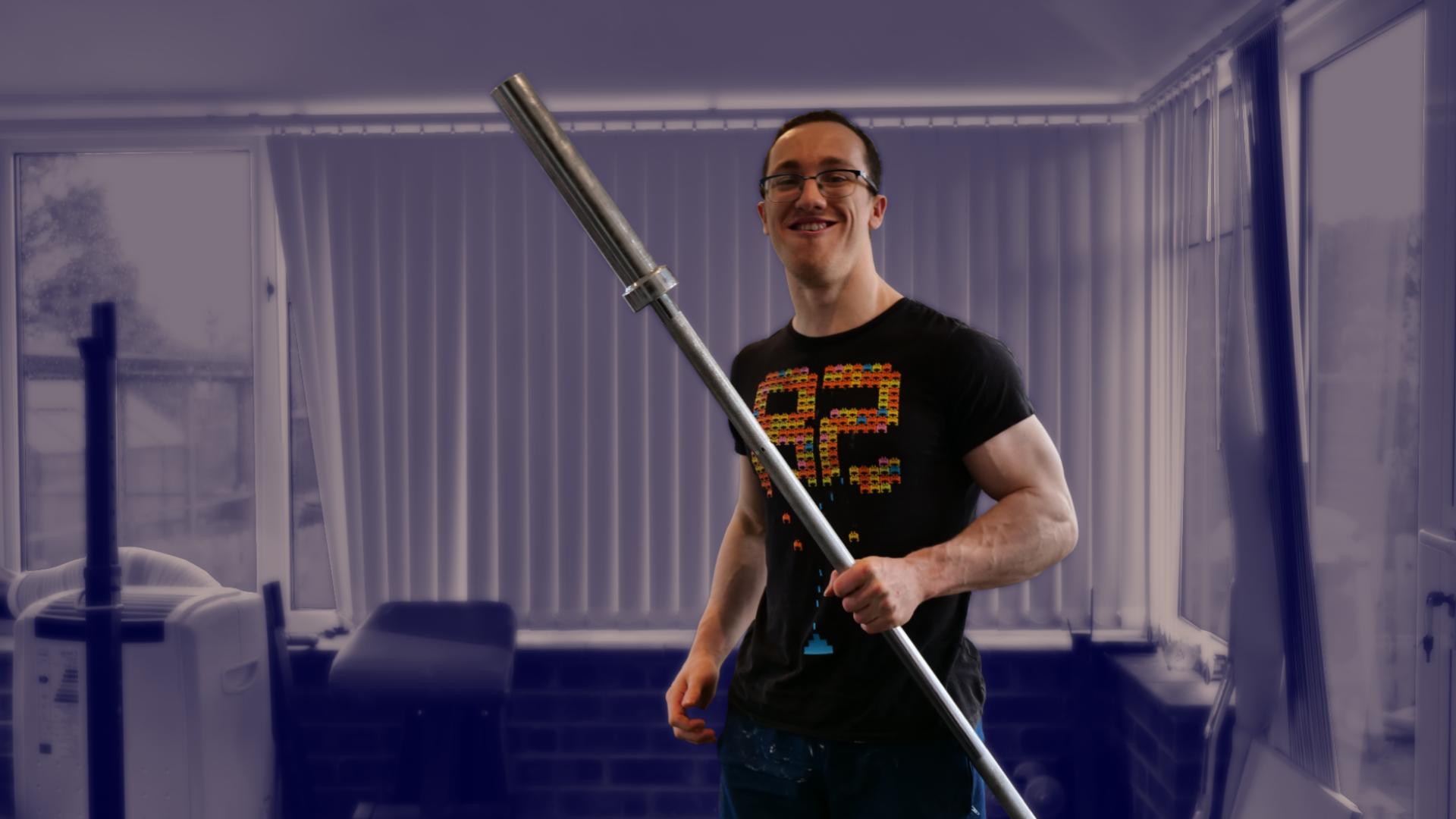
What I Provide
About me, and my services. What do I recommend?
I provide personalised coaching both online and in-person, tailored to your goals and experience level.
Furthermore I currently provide in-person training at a private gym-space in Reading, and upon request can provide training at other locations. These sessions are available until 4AM.
My focus is on fat loss, cardiovascular fitness, strength, and muscle development, with structured training and ongoing support.
Coaching includes regular check-ins, workouts, nutrition, feedback, and programme updates via PT Hub — ensuring your progress is consistent and guided.
I don’t specialise in Olympic lifting or strongman training.
My coaching is focused as a generalist on fat loss, strength, fitness and muscle development for the general population. If you’re aiming to compete or train at a high level in more technical disciplines, a specialist coach would be more appropriate.
You’re always welcome to reach out if you’d like to discuss your goals.
All of my services are provided via the PT Hub, a unified platform and App (IOS, Android) where you can find all of your material, from workouts to nutrition to check-ins to feedback. You can also chat with me instantly via the platform.
A good first step is to read through the PT Hub information page, and then create a free account using the ‘Consult/Explore‘ package. This will allow you to explore the platform and investigate the systems. You can then message me directly via the chat feature to ask me any questions before getting started. Alternatively, you can read further on this page to find out more about me, check out the Workout Ways YouTube channel, or read my coursework at the bottom of this page!
My coaching removes guesswork and replaces it with structure, accountability and clear progression.
Most people don’t struggle from a lack of effort, but a lack of structure. Balancing fitness with everything else in life is difficult — I take care of the planning, learning and direction so you can focus on hitting your goals.
Everything is tailored to you, with ongoing support through check-ins, feedback and updates to keep you progressing.
You’re not doing it alone — you have guidance every step of the way.
I represent an unparalleled passion for your success in what I do. I am attentive, present, and always in your corner when you’re working with me, through regular check-ins, customisations and chats. Furthermore I provide in-person personal training at no extra cost to you, also at unique timeslots suitable for night-workers, I handle nutrition, workouts, habit tracking and more, all with a desire to see you reach your goals.
You are. You’re here.
My coaching is designed to work around your life, not the other way around.
With regular communication and flexible planning, we can adjust your training as your schedule changes.
I also offer extended training hours — including late evenings and sessions up to 4am — making this a great option for shift workers or anyone with an unpredictable routine.
Yes — I offer late-night and early-morning sessions, with availability extending up to 4am.
The private studio is accessible 24/7, making this a great option for night owls, shift workers, or anyone who prefers to train outside standard hours.
Create an account on the PT Hub using the ‘Consult/Explore‘ package, then open the chat section and send me a message!
Alternatively you can book a free consultation using the button on the homepage!
Still have any questions?
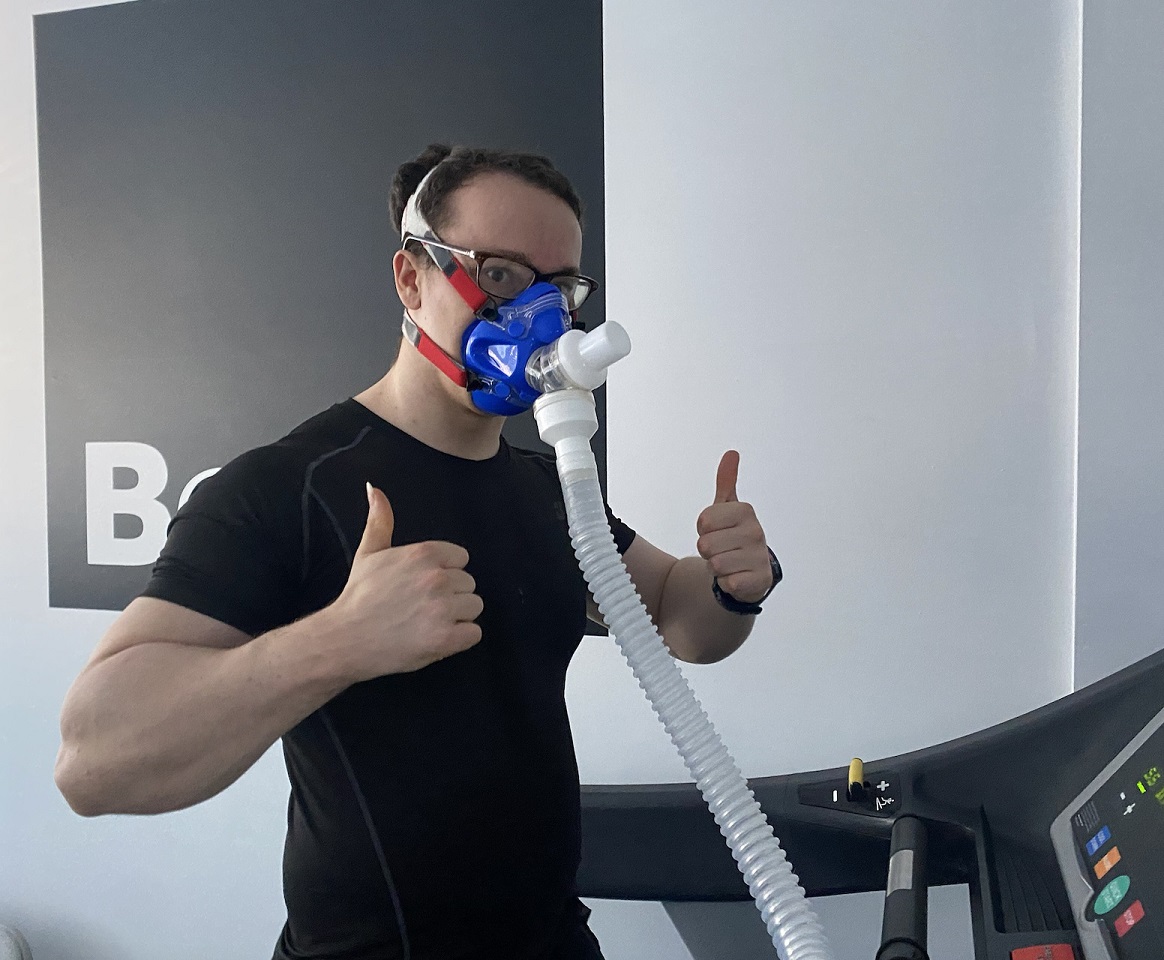

Stephen Wallace
Who’s behind it all?
I currently possess a (ITEC) VTCT Skills level 3 anatomy & physiology qualification and a Level 3 Personal Trainer (NIOQ) Qualification from the Association of Learning, though my knowledge also comes from extensive research, practical experience, peers within the fitness world and passion for learning and self improvement.
Age: 30 (Born July, 1995)
Gender: Male (Identity: Him)
Height: 178cm (5f 8in)
Weight: 173.2lbs (81.2kg)
I’m a higher functioning autistic, which is actually beneficial in meticulous programming. I also suffer with Dystonia (a muscle condition causing spasms upon fine motor movements) and Postural Hypotension (Meaning my blood pressure has trouble equalising upon changes in posture, leading to dizziness, seizures etc.) It’s a bit shite but, heck you do what you can with the hand you’re dealt.
So I’m into bondage, sub/dom dynamics etc. Why is that relevant? It’s not, I just want to remind you that it’s okay to be you, we’re all a little odd. Own it. Also I’ve been advised to remove this section. But the world needs more honesty, so no.
During early 2022 I went through my most severe depressive episode I have ever endured. The willpower to pick up the phone and ask someone for help, to schedule a doctor’s appointment when you don’t believe anything could ever help you is not easy to come by. I’m proud of the fact that I did that, I’m proud of the fact that I’ve been on anti-depressants ever since, and have been able to pursue my passions with joy once again.
On Sunday 27th February 2022 I managed to conventional bench press 4 sets of 12 with 170.9lbs. I had 3m rest between sets and I weighed mid 160’s at the time. It was performed with perfect form and cadence and to this day I’m very happy with that.
In my spare time I very much enjoy gaming, I run a YouTube channel called ‘Honest Gaming’ with over 30,000 subscribers, and as part of my growth I created a YouTube channel called ‘Honest Improv’ where I create fun games and videos with fellow creatives.
Yes, I’m currently insured by Insure4Sport for Personal Training, with specific coverage for Weight Lifting, Aerobics, Circuit Training, Cycling, Kettlebells and Rowing.
Still have any questions?


Passions, Drive, Ethos
What do I believe in?
Back in early 2020, I noticed my dystonic seizures, caused by a combination of my postural hypotension and dystonia were becoming exponentially worse. To the point where I would suffer a seizure if I got too animated when playing a video-game. I became aware that I needed to break the unhealthy habits I’d built up, and take responsibility for my own health and situation. Now, I hope I can help other people make those same changes.
I have a Level 3 Personal Training (NIOQ) qualification aswell as a Level 3 Anatomy and Physiology (ITEC). These qualifications were important to me because, whether because of my autism or just natural passion, I’m enthused by learning about the human body, and I’m incredibly committed to honesty regarding what is and isn’t true.
So my knowledge-base is extensive, and I take great care in communicating that knowledge with kindness and respect. However I must also be aware, there are people far more experienced than myself. There are people stronger, fitter, faster. That will never not be true, and I will consciously learn from these people and my own training successes and failures in order to enrich my training pedigree, and enhance my skills as a fitness communicator.
So why should you listen to me? Because I know I can be wrong, I know I can make mistakes, I know I have a lot still to learn. My methodology, plans, knowledge is not perfect or above reproach, it’s constantly tested, adapted and challenged such that I can be confident in it.
We all deserve healthy bodies, we all deserve to be able to walk, run and live well into our later years and enjoy a quality of life as life itself concludes. Not only has fitness improved my quality of life in terms of my disabilities, but I find myself more mentally able to commit to challenging but rewarding things, my conviction is stronger, likewise my personality and confidence. Looking good helps you feel good, and visa versa. Before committing to exercise I didn’t quite appreciate just how solid the link between physical and mental health is. It’s real, and if you’ve ever thought ‘I need to work on my mind right now not my body,’ then you’re making the same mistake I did. Mind, and body go hand in hand, you should work them both together.
In early 2020, I was incredibly unfit, so passing judgement on people for that would be woefully misguided. I understand the difficulties people have with fitness, however I also understand the excuses people make to both themselves and others to avoid holding themselves accountable for poor, unhealthy habits. I simply hope that I can remove a barrier between people and their health, so that those who want to improve, have a better chance of doing so.
I found that when I actually started looking into how to get fit, it was very hard to get started, hard to know what to believe. Now, looking back with experience I can see how much snake-oil and downright mis-information is peddled in a somewhat predatory manner aimed at people who don’t know any better. I felt I wanted to share accurate, helpful information to assist those people, lest they fall for the ‘six pack in 30 days’ style scams. Fitness is a marathon, not a sprint. People should treat every day as an investment for the rest of their lives. I want to help spread that message.
Every single thing presented within my material is an exercise/training method/principle that I have tried and tested myself. I do not present, nor stand by workouts/plans that I would not happily perform myself, nor do I present myself or my programs to be the ‘next big thing’, ‘the new way’, it is the basics, concisely packaged, simply, clearly presented, lovingly communicated. The basics, work. Always will, and they’re perfect for those of us who want to take care of our physical health, without it consuming our life.
Still have any questions?


Workout Ways Origins
How did this business come to be?
Me and my Dad spent a while workshopping names that would be good. A fair bit of market research went into avoiding clashes with other established businesses. We particularly liked “workout ways” because it has two meanings, we can Workout Ways to workout, but we can also Work Out Ways of living, and moving forward, or improving.
I (Stephen Wallace) did. When I originally had the idea for creating the business and it’s website, I knew nothing about web-design and so assumed I would have to hire someone to build and maintain the site. However due to being very protective and controlling of my intellectual property, I instead spent six months learning WordPress, and built the site from scratch myself. Several times actually because the first two times I built it I managed to bollocks it up in some manner.
To provide a method for people to pursue healthy minds and healthy bodies regardless of their experience or goals. I want to use my experience to help others discover what fitness means to them, and give them the means to pursue it.
Well for one thing, I livestream all of my workouts so you can see me performing them, know that I practice what I preach, and ask any questions. Head to the PT Hub info page to find out more.
Other than that, me, my diligence to provide factual information and my infallible conviction to never compromise the ethos of making health accessible to a wide audience. I’m an autistic person who has overcome phobias I thought intrinsic to myself. I never thought it possible for me to change and fitness is a huge component of why I’ve been able to do that.
Fitness means different things to everyone, and I love the idea of helping people find what it means to them, and giving them the tools and knowledge to pursue it.
I built the website in 2022, with the launch being early 2023.
The business is owned by Stephen Wallace, and currently has 0 employees. My goal is to make enough money to pursue my passions, keep gaming, keep working out, keep communicating the joys of that to my audience. I have no intention of ever advertising bullshit, being sponsored by people peddling bullshit, or moving the business in any direction even close to bullshit’s location. Workout Ways is a passion project, I may take on additional trainers in future if the business allows/requires, but it will always remain a close, family project.
Yes, I currently possess a ITEC level 3 anatomy & physiology qualification and a level 3 Personal Training qualification (NIOQ) from the Association of Learning. Though my knowledge also comes from extensive research, practical experience, peers within the fitness world and passion for learning and self improvement. I’m further pursuing CPR and first aid qualifications to ensure the safety of my clients.
Still have any questions?


YouTube and Streaming Career
A gamer at heart.
My first channel is called ‘Honest Gaming‘ – https://www.youtube.com/honestgaminglife
Here I publish mostly World Of Tanks content, I’m a highly skilled, knowledgeable player of the game and I aim to communicate game mechanics and principles and hilarious moments in an entertaining manner.
The second channel is the Workout Ways YouTube channel: https://www.youtube.com/channel/UCQF2PBFBlgwzfgpFgx323uA
Here I publish form guides for all of the exercises within my programs, as well as educational and enriching videos on life and wellbeing.
My third channel is Honest Gaming Extra: https://studio.youtube.com/channel/UCOeKoWDMg8Bp1dL2tW7b1Yw
Here I post archives of all of my livestreams done on the Honest Gaming twitch channel.
Being a higher-functioning autistic, the workplace has always been intimidating to me. A year of employment in a cinema here in the UK only fostered that fear. YouTube functioned as a way for me to interact with my friends, grow and make new friends in the comfort and safety of my own home. It allowed me to pursue my passion for gaming and community while alleviating anxiety that previously held me back. I started my Honest Gaming YouTube channel on June 24th 2014.
Nothing in particular, I’m very honest and passionate in my approach to content creation, and my audience I think finds that unique and engaging!
I’ve been editing, creating, cataloguing and streaming nearly every week for the past 10 years. As with any job, it’s a commitment, it takes time and effort, while I’d definitely say it’s easier than a standard 9-5. It comes with it’s own unique stress and potent lack of job security, finances are inconsistent, reward to effort ratio is funkertated, and I absolutely love it to bits. 🙂
I livestream World Of Tanks mostly on my twitch page every weekend.
https://www.twitch.tv/06wallst
The best way to support what I do would be to support me on Patreon. It helps me to be able to do what I love, and offers a small yet valuable element of job security. Any contribution or consideration is greatly appreciated.
Still have any questions?


Read my qualification coursework!
In aid of transparency and assuring the quality of my work, below you can read some of my answers given during my Personal Trainer course.
Functional training (FT) is a training approach emphasising multi-joint (compound) movements that reflect natural human kinematics. Flexion and extension of the trunk, flexion and extension of the leg at the tibiofemoral (knee) joint, flexion and extension of the thigh at the acetabulofemoral (hip) joint. All of these are critical (functional) components of human mobility, and as such fall under the purview of FT.
“…functional training improved physical fitness in terms of speed, muscular strength, power, balance, and agility, while there is moderate evidence of the effect on flexibility and muscular endurance. No significant improvement was found in body composition” (Xiao et al., 2021).
Examining this review, there is evidence of the efficacy of this style. It is of note at this juncture, ‘FT’ is an umbrella term encompassing a variety of exercises, many of which have been widely studied, with their potency evidenced (Takai et al., 2013), (Neto et al., 2020), (Hindle et al., 2019). Therefore we should be cautious when labelling such a broad class ‘effective’, it is neither effective nor ineffective, it is a category. Exercises simply grouped under FT lack specificity with regards to repetition schemes, recovery, sets, time-under-tension, load, reps-in-reserve, and myriad training variables that compose a prudent exercise routine. It is these variables that are modified by a practitioner in conjunction with exercise selection to achieve a desired outcome.
It may be tempting, while exploring the previous thought, to extrapolate negative connotations from the quote “No significant improvement was found in body composition” (Xiao et al., 2021). Bear in mind, however that this review was conducted on studies of athletes “Only records presenting functional training on aspect of physical fitness of athletes were included” (Xiao et al., 2021). Given that the study participants are athletes, their body composition is more likely to be stagnant, having been honed to a standard required for their ongoing activity. This lack of body composition change would likely be far different for the average participant in FT, for whom FT itself represents a change in activity.
In summary, FT is a method of categorising exercises, primarily based upon their relevance or proximity to movement patterns found in everyday life. It has evidence demonstrating its effectiveness, though that is likely due to the nuance with which exercise principles are applied within its scope, rather than FT being inherently productive.
The main function of the cardiovascular system is to provide necessary oxygen to cells and tissues and remove excess carbon dioxide produced by metabolism (Wasserman and Sietsema, 1988).
As blood arrives at the heart’s right atria via the inferior and superior vena cava, it is assisted in its passage by pressure gradients within these vessels. This pressure can be impacted by changes in intrathoracic pressure during breathing, and the contraction and dilation of the atria (Shah and Louis, 2023). The expansion or relaxing of the atria, as well as the subsequent contraction forcing blood through the tricuspid valve; is prompted by the combined sequential actions of specialised neuromuscular structures known as the sinoatrial node (Basit et al., 2022) (pacemaker) and the atrioventricular node (Bhattacharyya and Munshi, 2020). These structures mange the systolic and diastolic heart phases, in proper function, they prevent irregular heart rhythms. This sequential dilation and contraction then forces the blood from the right ventricle through the pulmonary semi-lunar valve into the pulmonary arteries.
In parallel, via expansion of the chest cavity, air moves into the low pressure created within the lungs. Through a sequence of multifurcating passageways air arrives at the alveolar sacs, wet structures of simple squamous epithelial tissue specialised for gas exchange. It is here through mass diffusion that the primary exchange of oxygen and carbon dioxide occurs across the interstitial spaces, diffusing into the pulmonary capillaries.
The newly oxygenated blood is collected into venules and then the pulmonary veins, which transport blood along the flow of pressure caused by the dilation of its destination, the hearts left atrium. Gases that remain or were diffused into the alveoli and bronchioles are managed by pressure gradients produced by the contraction of the lungs and thoracic cavity.
The aforementioned cardiac cycle then forces blood through the bicuspid (Mitrial) valve into the left ventricle, whereupon the next systolic phase, it moves through the aortic valve and into systemic circulation.
Systemic circulation includes parts of the heart, and primarily the vasculature transporting blood to and from nearly all cells and structures within the body, its vessels are composed of arteries, arterioles, capillaries, venules and veins (Institute for Quality and Efficiency in Health Care, 2023). This network ensures that muscles, tissues and other metabolic structures have the substances required to carry out their functions, as well as providing a flow into which to deposit waste substances for disposal. This waste includes excess carbon dioxide, dead cells and interstitial fluid. Carried by an uprising of venules and then veins from their capillary beds, this material is transported via the combined mechanisms of valves within veins, pressure gradients, and venae comitantes which utilise the systolic blood pressure of arteries to ease circulation. Upon arrival near the heart via the inferior and superior vena cava, it is then further assisted by negative venous pressure caused by atrial dilation.
In summary, the cardiovascular system is a cyclic network of interwoven passageways, vessels and structures that work synergistically to provide required material for metabolic function, and to subsequently remove waste material produced by those processes.
“Regular PA and exercise can induce major beneficial effects in the context of both primary and secondary CVD prevention. Furthermore, the benefits of an active lifestyle are fundamentally dose-dependent Regular PA and exercise can induce major beneficial effects in the context of both primary and secondary CVD prevention. Furthermore, the benefits of an active lifestyle are fundamentally dose-dependent” (Valenzuela et al., 2023).
Exercise has also shown efficacy in combating poor cardiorespiratory fitness for children and adolescents with obesity (Men et al., 2025).
There has been conflicting literature surrounding cardiac hypertrophy, with one review article in 1994 entitled ‘Exercise-Induced Cardiac Hypertrophy Fact or Fallacy’ (Perrault and Turcotte, 1994). More recently, the mechanisms involved in exercise-induced cardiac adaptations have been more acutely elucidated (Huang et al., 2025). The benefits suggested to be caused by exercise in this study include myocardial proliferation and growth, cardiovasculogenesis and lymphangiogenesis, mitochondrial adaptation and metabolic reprogramming, and attenuation of cardiac fibrosis.
It is worth considering the established risk-factors of participating in physical exercise. Exercise has been concluded to be healthy for most of a populace, hence the recommendations by established health professionals (NHS, 2024). Risk-factors of exercise include musculoskeletal injuries, hypoglycaemia, chronic fatigue, and sudden cardiac death (SCD). These risks are exacerbated by pre-existing conditions such as osteoporosis, diabetes, fibromyalgia and atherosclerosis. For SCD in particular, excessive intensity of the activity is proposed as the primary trigger (Mannakkara and Finocchiaro, 2023), with regular or even vigorous exercise still recommended for the populace (Aune et al., 2020).
In summary, regular exercise is recommended for the general population due to positive effects on cardiac and respiratory health, as well as systemic strength and hypertrophic benefits. However, as a fitness professional, risk factors for a particular client must be considered, and these data-points must be used to tailor programming.
Lifestyle factors such as diet and physical activity have been shown to have correlation with risk status for various cardiovascular diseases (Ana Rita Barbosa et al., 2024). Cardiovascular disease includes a huge variety of conditions, from atherosclerosis to angina, to arrythmia, many of which share common risk variables.
Sedentary lifestyles, an increasingly common reality (World, 2024a), have been consistently associated with atherosclerotic cardiovascular diseases in particular (Schmidt-Trucksäss, Lichtenstein and von Känel, 2024). This is in addition to poor diet and psychological stress.
It must be emphasised that diet and physical activity are not the sole determinant of cardiovascular risk, as there are significant genetic and socioeconomic factors that manifest as variables. However, physical activity and diet are two variables that are often, within western culture especially, at an individual’s discretion to manipulate, thus they represent a prudent avenue of approach when looking to reduce these risks. Given that cardiovascular disease is the leading cause of death worldwide (World, 2024b), accessible interventions are a huge priority for public health.
Obesity, sedentism, fast-food, these things being associated with poor health outcomes seems well appreciated in the public zeitgeist. In practice however, it is worth considering the value of overstressing these correlations to an individual, or upon public forum. Fitness and health changes do not happen overnight, and as one of the risk factors for cardiovascular disease is stress, we should be careful not to overemphasise these risks. Fitness professionals have an ethical obligation to communicate health risks, however, there is also a logical compulsion to cover such topics with sensitivity, avoiding fearmongering or the implication that such risks necessitate their services.
In summary, lifestyle and dietary factors are reliably correlated with cardiovascular risk levels. Practitioners should be prepared and able to educate clients about these correlations, but do so in a tailored, ethical manner that supports the individual’s fitness journey.
Open kinetic chain (OKC) exercises are movements where the distal segment is free to move in space. These exercises often target a single muscle or muscle group in an isolated fashion, such as a bicep curl, lateral raise, leg extension or tricep pushdown.
Closed kinetic chain (CKC) exercises, by contrast, are movements where the distal segment is fixed, via contact with the ground or a static object. These movements are often compound and are more liable to fall under functional training, as they often mimic natural movement patterns. The squat, push-up, lunge and farmers carry are all examples of CKC exercises. Isolated muscle demands, as commonly imposed by OKC exercises are a rarity in daily life; there are very few tasks one encounters that mimic the acute stresses and torque of a supinated bicep curl for example. This is because in the bicep curl (and most OKC exercises), we are deliberately placing ourselves in a inefficient position to move the load, in daily life, confronted with a task of moving a weight, most would intuitively reduce the moment arm by bring the weight closer to the body (not further away as in the curl). They would hold the object with both hands and involve as much relevant musculature as possible. In contrast, most OKC exercise deliberately place the body at mechanical disadvantage to increase localised stresses.
The imitative nature of CKC exercises may partly explain why they show favourable results in rehabilitation (Barwick et al., 2012) and balance (Kwon et al., 2013). It is worth noting, the formerly discussed ‘specialised training’ and ‘functional training’ need not only relate to sport, but also to movement patterns necessary for human autonomy and independence throughout life. CKC exercises more closely reflect those patterns, however, OKC movements should not be dismissed, as there is evidence for their efficacy in the same sphere as the CKC activities (Pamboris et al., 2024), (Kim, Kong and Yoo, 2017).
The fact that supportive evidence can be found in favour of both OKC and CKC exercise in a rehabilitation context, implies that the primary determinant may be movement and recovery itself, with the exact modality (CKC or OKC) being superfluous to a recovery process.
In summary, while from a pedantic perspective it is helpful to distinguish exercises this way, I find little to support the prudency of the differentiation. A squat and a dip both fall under the purview of a CKC exercise, yet they stimulate completely different musculature. A leg extension and a bicep curl are both OKC exercises yet target vastly different musculature. It seems to me foolish to delineate between OKC and CKC exercises when designing programming. Rather, exercises from both categories should be included and implemented, and their efficacy tailored by variable modifications such as reps, sets, cadence and volume.
Special populations, such as the elderly, disabled or pregnant often have greater risk factors when pursuing physical fitness. Thus, it is a result of due diligence and ethical responsibility to tailor programming to account for these risks through communication, exercise modification and collaboration with medical professionals. This study (Wen et al., 2025) looks at perceived barriers of chronically ill elderly people preventing them from pursuing physical activity in an exercise setting. It is important as a fitness professional to be aware and up to date on these social and personal roadblocks which are often exacerbated in special populations.
Special populations can also include individuals who have physical disabilities. It is important to work with the individual and/or their primary caregiver, in addition to heeding advice from any medical professionals they may be working with. Exercise modifications, lower impact movements, machine assistance, pool-work and use of handhelds/supports are all examples of accessibility changes one could include in programming.
Individuals with varying mental capabilities or disabilities may present as prospective clients, it is vital to be versatile in communication techniques, both in conversation and in conveying exercise advice, for example in exercise demonstration and form corrections it is crucial to ask permission before touching an individual, even for what you feel are benign form or posture corrections outside of exigent circumstances. Some individuals may learn better via manual corrections, others may do so visually via a demonstration, talking to the client and establishing an open, free communication helps to elucidate those preferences and foster a mature client-trainer relationship.
Technology can be an incredibly valuable tool for communication. In the event of a language barrier, translation tools can be used. In the event of a form issue, asking a client to film themselves so that you can correct them while looking at their exercise together is a great idea. Many disabled people utilise technology in some way to assist their activities, technology competency in a trainer can be useful in these circumstances.
Particularly for older adults, one important consideration is the increased likelihood of sudden cardiac events, becoming more likely both during physical activity and with age (Goodman, Thomas and Burr, 2011), it should be noted that this risk is less in populations with prior experience with similar physical exertions. Trainers should discuss a client’s exercise history before designing programming, as it is an important factor.
In summary, clients present in a wide variety of ways, with myriad challenges, for both them and a trainer. Versatility, adaptability and willingness to work with the individual, their caregiver and medical professionals as well as ethical obligations are the most important things when working with anyone and will prove especially beneficial when navigating the unique challenges that special populations encounter.
S.M.A.R.T goals (Specific, Measurable, Achievable, Realistic, Time-bound) are a framework or learning ethos commonly used in educational institutions to assist in structuring and delivering work material.
There is research that disputes the efficacy of the method.
“Research and theory suggest that such goals may not benefit, and could even be detrimental to, learning” (Chan, Swann, and Donnelly, 2018).
“Our review suggests that the SMART acronym: is not based on scientific theory; is not consistent with empirical evidence; does not consider what type of goal is set; is not applied consistently; is lacking detailed guidance; has redundancy in its criteria; is not being used as originally intended; and has a risk of potentially harmful effects” (Swann, 2022).
The review and research cited concur with my conjecture on the topic. They elucidate a rather widely perceived problem with using any defined model, no matter how rigorous, to funnel the learning methodologies of large numbers of people. An efficacious learning structure for one individual may be antithetical to another’s most cogent format. I sympathize with the plight of academic institutions lacking the funding or resources to facilitate such nuanced or attentive management; however, I intend to appreciate the benefits of the “personal” aspect of a personal training qualification. It is much more reasonable for me as an individual or small business owner, to implement different learning strategies tailored by a client than for a larger organization to do the same. Appreciation of this fact is merited, as it will assist me in avoiding pigeonholing clients into a methodology that doesn’t suit their ethos.
Therefore, while I believe that principles obtained or even governed by the “S.M.A.R.T” criteria can be beneficial, the evidence seems circumstantial, and thus, circumstantial should be their implementation. Educators should be prepared to implement various techniques to guide progress, and I consider structured learning formulas to be a tool for use by a conscientious artificer.
Knowledge of biomechanics benefits training and its optimization. Having a qualification in Anatomy and Physiology at level 3, as I do, aids in understanding the subtleties at play during physical exercise. Certain rules dictated by physics and human anatomy perfuse almost all exercises. These rules include maintaining a straight bar path during a squat or deadlift, implementing the Valsalva (Hackett and Chow, 2013) to increase intraabdominal pressure, and maintaining a neutral spine position during exercises. These techniques take advantage of the body’s structure, allowing lossless force transfer from axial skeleton to bar, and physics itself, via knowledge that a straight bar path is the shortest distance between point A and B, thus requiring the least work, for the largest range of motion.
There is much to be elucidated regarding technique development, and likely a balance to be struck between safety and efficacy in training modalities that flirt with extreme reps or weight. However, these broad responsibilities are not held by a trainer. Instead, a trainer’s responsibility is more nuanced and consists of educating clients on the axis of risk/benefit present within different training implementations, then working with the individual or organization to facilitate the informed desires in the most practical, efficient, and safe manner possible. If I may get a little poetic, I believe we should never carry a client down a path, just give them good shoes to walk it with.
Ethics are more challenging to expand upon in any rigorously academic manner. This is simply because ethical standards are not universal within society and are imponderabilia, varying with culture and socioeconomic factors. That said, general moral etiquette expected of organizations and individuals alike should be adhered to and respected. These include boundaries of consent, safety considerations, power dynamics, information provided, and even pricing of services, which can be exploitable. I’d argue that one can get far in any field by simply treating people the way you would like to be treated, by giving respect and receiving it in recompense.
This is an interesting question, partially because it is often, though thankfully not here, phrased in a way that asserts a rather linear correlation between stretching and injury reduction. There is contradictory evidence on this topic and even less reason to believe that the relationship is linear, i.e. more flexibility equals less injury (Witvrouw et al., 2004). It is also worth noting that literature should adopt the term ‘injury reduction’ rather than ‘injury prevention’ as it represents the delicate balance between efficacy and risk in athletic endeavours more accurately. It is, within any acute timeframe, safer to do nothing, than almost any form of exercise, so naturally we consider some level of risk acceptable. It is this ethos that forms the genre of my questions, and forthcoming assertations. What risk level is permissible? Does that change with age, sex, experience etc.? Can we reduce risk while maintaining efficiency? These are all pertinent questions.
The most potent question within my program construction has brooded on time investment. Having trained for an extended period, never warming up with conventional stretching modalities, anecdotal evidence would suggest a lack of risk. However, my conclusion requires a broader perspective. Fitness goals are not a temporary pursuit. They take a very long time to achieve, and an effort to maintain. Therefore, minor optimizations in time-efficiency within training must be viewed with inherently more value holistically. Saving 10 minutes in one session, retains a huge amount of time throughout an individual’s journey.
“If a total stretch duration approximating 5 min is required to make a meaningful change in passive resistance to stretch in a single muscle group with static stretching, it would take in the region of 20 min to effectively stretch both the agonist and antagonist muscle groups bilaterally. If two or three sets of agonists and antagonists are to be stretched, as would be typical in preparation for a sports activity involving numerous different joints and body parts, total stretch durations would be in the region of 40–60 min if the goal is to decrease passive resistance to stretch in those target muscle groups” (McHugh and Cosgrave, 2010).
“There is an abundance of literature demonstrating that a single bout of stretching acutely impairs muscle strength, with a lesser effect on power” (McHugh and Cosgrave, 2010). I would argue that regardless of how strong a relationship between stretching and injury reduction might be; when considered in balance with the base injury risk, the time required to make stretching efficacious, the impact on muscle strength, and the need and desire to optimize time efficiency within training, stretching is not overall a useful tool in the most prevalent training scenarios for most of the populace. Within strength training especially, we can warm up the relevant muscle groups by performing the upcoming exercise with easier reps or sets, including all of the needed musculature, and range of motion, and not squandering time by stretching areas that are not used within a movement.
“To further improve physiological capability, subsequent homeostatic disturbances from exercise should be progressively greater in succeeding exercise sessions” (Leo Robert Bell et al., 2024). In layman’s terms, you must work harder as you adapt to a stimulus. I focus on ‘progressive overload’ in this answer because it unifies training principles regardless of training objective. It is the fundamental concept common to all competently designed programs. In all training methodologies, this is achieved by modifying one or more of these factors:
- Intensity
- Frequency
- Repetitions
- Sets
- Cadence
- Weight
This principle of progressive overload is widely understood and can be applied to a broader spectrum of topics than just personal training. Many tasks become more difficult, complex or obtuse as the profundity or scope of them becomes clear. This is natural, as the aforementioned denseness of a task or topic is generally obscured by neophyte naivety. This is captured beautifully by the so-called ‘Dunning-Kruger effect’ (Dunning, 2011), where those of inexperience have a disproportionate likelihood of overrating their skills or capabilities within a field. I am aware that this is mostly tangential at best to the question, however, it is personally fascinating to observe how these dynamics interplay throughout various pursuits.
Contrary to the previous point, in my experience, laypeople widely grasp progressive overload almost intuitively, likely due to the experience mentioned above, which represents a moderate departure from the expected patently false beliefs held during introductions to a topic. While there are likely myriad lapses in knowledge for which to compensate over their fitness journey, utilizing an intrinsic understanding of progressive overload to build nuanced and specific knowledge atop is a prudent method of educating a client. This is because it draws on their lived experience from almost anything that they have learned in the past.
In conclusion, trainers should start with ensuring that progressive overload is understood and built into any programs we facilitate or coach. Trainers should then use that fundamental to discuss nuances of training methods and further educate their clients. Discussion of rest times, strength vs size focussed stimulus, frequency of training, and injury prevention should be topics on the agenda.
“One of the most important and prominent public health messages is to eat a healthy, balanced diet” (Simpson, Le Couteur and Raubenheimer, 2015).
Balance is a word tossed around with all the grace and coordination of a chicken in a hurricane. As the research (Simpson, Le Couteur and Raubenheimer (2015) elucidates, the term ‘balance’ when applied to such a broad category as nutrition, especially when devoid of any nuance and presented to a layman, is tantamount to useless.
The first step then, as always, should be education. Understanding the ‘why’ of the matter, is inherently more valuable than understanding the ‘what’. Think of a castle, if you are simply told that castles are built on hills, you might construct your fortress on a small hill surrounded by taller land. Whereas understanding the benefits of high ground, such as vision, ease of relocation, difficulty of egress etc., these principles would prohibit such a mistake. ‘What’ information is ‘do this, when this’. ‘Why’ information is ‘do this, because this’. The distinction is important, and when applied to nutritional balance, emphasises the merits of building specific knowledge like balance and its implementation in different diet methodologies, atop broad foundational principles such as caloric density and macronutrients.
A helpful simplification to provide a layman is ‘how much you eat dictates your weight, but what you eat changes how that weight is stored’. The only factors that matter for strict weight management are calories expended vs calories ingested. What nutrients these calories come from will affect one’s body composition, ability to grow muscle, long-term health, and how much food you can eat due to caloric density. Awareness of these factors permits wiser regulation of food choices, in addition to planning and incorporating treats and indulgences as part of a well-rounded diet instead of a departure from it. Logic such as ‘I’m having a big cake in the evening today, so I’m going to add more protein to my morning meal’ shows an understanding and striving for balance and consistency, including leniency for cravings. We should aim to provide clients with the ability to think not ‘I can’t have this’, but ‘I want this, how can I incorporate it into a balanced diet’. Providing clients with the knowledge and tools to accommodate their palate within weight management is an important responsibility.
In conclusion, we should understand and teach that balance and caloric intake (weight management) are distinct. You can eat 500 calories and have it be ‘balanced’. You can also eat 5000 calories and have that same ‘balance’. Both of these extremes would be unhealthy for most of the populace. A true healthy diet is accountable of both caloric balance and nutrient balance, and modifies one or both based on factors specific to an individual and their goals.
“Higher levels of physical activity reduce the risk for premature all-cause mortality” (Warburton et al., 2010). The link between activity and general health has been well established via myriad experimental paradigms.
‘Activity’ is broad, for the purposes of this answer, I will bifurcate the term into scheduled physical exercise (such as a gym session) and NEAT (non-exercise activity thermogenesis). Activity, in both the described categories comprises a component of caloric balance via simple thermodynamics. Modifying both aspects of activity and caloric intake are viable and efficacious strategies for facilitating weight management. As a hypothetical, say an individual uses 2,000 calories/day as their BMR (Base Metabolic Rate). He burns a further 250 via a scheduled exercise session and 300 more via NEAT. In total, he uses 2550 calories/day. If he also consumes 2,550 calories, he will maintain weight. If he eats less, he will lose weight, and if he eats more, he will gain weight.
Modifying the individual’s activity levels is a method of adjusting the energy balance of the day. If the objective were to lose weight in the example above, we could achieve that by upping the energy expenditure through exercise or through NEAT while keeping intake the same. This could also be achieved by consuming less calories and keeping exercise the same. Both strategies are viable, and both should be considered and implemented based on an individual’s constitution, preferences, and lifestyle.
In my coaching experience, NEAT expenditure is the most efficacious attribute to modify. Caloric restriction and scheduled exercise are efficacious, but very noticeable and, for some clients, obtrusive and a departure from routine, which impedes adherence. Many people overestimate how many calories they burn during exercise. It is much easier to consume 400 calories than to burn them. An average person may spend 3 hours exercising in a week, yet that same person has over 56 hours of NEAT time in that same week. This is why modifying NEAT habits is so effective for weight loss/management. Things like pacing back and forth while waiting for the microwave, standing to cook, walking about while listening to a podcast, standing instead of sitting wherever possible, gently using an under-desk cycle during desk work, these are subtle modifications that, while in an acute period burn less calories than structured exercise, over a macro period are far more sustainable, and far less disruptive. Converting formerly sedentary periods to passively active periods is an incredibly valuable tool, and when structured alongside exercise, caloric management and drive, will increase the likelihood of success.
Knowledge of the structure and function of the human body can tailor and temper exertions, increasing the efficacy of time invested in a fitness goal. This can manifest in injury prevention, exercise selection, and client and practitioner education.
This can be analogised to maintaining a fire: while ignition is simple, sustaining it requires measured, attentive application of fuel to avoid both burnout and harm. That careful balance articulates the role of knowledge in training.
In practice, trainers and clients alike should aim to keep up to date with current academic research. Regarding injury prevention, a popular method has been the implementation of the acute chronic workload ratio (ACWR) theory to reduce risk. This hypothesis proposes a causal link between acute training intensity and chronic training load. However, current research and systematic reviews seem to challenge its validity.
“There is no evidence supporting the use of ACWR in training-load-management systems or for training recommendations aimed at reducing injury risk. The statistical properties of the ratio make the ACWR an inaccurate metric and complicate its interpretation for practical applications. In addition, it adds noise and creates statistical artifacts” (Impellizzeri et al., 2020).
Knowledge of ongoing research and current peer-reviewed scientific consensus is an important responsibility of a professional fitness communicator.
With respect to exercise selection, understanding different forms of muscular contraction (Padulo et al., 2013), along with muscle function and joint action, is fundamental to determining whether a given exercise or training modality is appropriate for a specific goal.
It is of note that refined anatomy and physiological knowledge are largely obtuse to a wider populace, even many regular gym-goers. Therefore, it is incumbent upon a trainer to simplify any anatomical nomenclature to common vernacular, as well as to convey principles understood at a very nuanced level in such a way as to be efficacious to someone lacking that same scope.
An understanding of the musculoskeletal system is most directly applied through purposeful exercise selection. Knowing the difference in stimulus between a horizontal rowing movement and an overhead pulling movement allows both movements to be incorporated appropriately and enables the practitioner to justify their inclusion to clients. Understanding the difference in muscle activity when flexing the forearm supinated vs pronated (Kleiber, Kunz and Disselhorst-Klug, 2015) permits well-rounded program construction, as well as helping to prevent overuse injuries.
Knowledge of the roles of musculature can help identify weaknesses limiting movement patterns, such as knees caving inward during a squat. This may indicate insufficient activation or strength of the hip abductors. On the other hand, rounding of the back could be indicative of improper bracing or spinal erector issues.
Musculoskeletal knowledge can also assist in differential diagnostic capacities, for instance, in an Achilles tendon injury, we would expect pain during, limitation, or absence of plantarflexion of the talocrural joint (Egger and Berkowitz, 2017). If the pain was said to be higher than the ankle and still present during plantarflexion, we could deduce an issue with a posterior leg muscle, such as the soleus or gastrocnemius. Knowing muscles and their function can allow trainers to rehabilitate and train whilst avoiding exacerbating injury, by knowing which muscles enact a movement. It should be noted however that trainers lacking appropriate qualifications or authority should never offer an official ‘diagnosis’ to a client, instead they should use their expertise to refer a client to appropriate medial professionals if needed.
“Exercise is a powerful tool in the fight to prevent and treat numerous chronic diseases. Given its whole-body, health-promoting nature, the integrative responses to exercise should surely attract a great detail of interest as the notion of “exercise is medicine” continues to its integration into clinical settings” (Ruegsegger and Booth, 2017).
This reinforces the importance of professionals possessing sufficient anatomical and physiological knowledge to apply exercise safely and effectively across diverse populations. Practitioners with expertise in anatomy and physiology can assist laypeople in interpreting scientific consensus, as well as understanding how it relates to their lives and training efforts.
Exercise adaptations are the holistic changes a body exhibits as a response to stimulus.
“The health benefits of regular exercise training involve the acclimatization to repeated metabolic, thermoregulatory, hypoxic, oxidative, and mechanical stress. An individual exercise bout elicits a rapid but transient response while the repetition of the stimulus causes compensatory physiological changes that confer protection against greater subsequent stress” (Qiu et al., 2022).
In lay terms, this article describes the concept of progressive overload, commonly summarised by the adage “what does not kill you makes you stronger.” Progressive overload is a fundamental principle of resistance training programming, typically involving incremental increases in load to elevate neuromuscular demand and stimulate further physiological adaptations (Plotkin et al., 2022).
For personal trainers, this concept is valuable not only in recognising the validity of the underlying principle, but also in applying it with appropriate nuance. Progressive overload is a cornerstone of resistance training, effective programmes, regardless of modality, must challenge the body in a progressively increasing manner to elicit adaptation. The art-form is in tailoring programming factoring the wishes of the client, specific goals, and client abilities.
One of the most common ways that exercise adaptations would manifest in a trainer-client relationship is via weight loss or a change in body-composition. Given the prevalence of obesity, (Rennie and Jebb, 2005), it’s a given that much of a trainer’s clientele will be those seeking to lose weight. For those who are obese or disabled, exercise selection must be stewarded, for example, in a 30-year-old obese female, squatting may be difficult, injurious, or not possible at all. In such cases, the primary focus may be to facilitate reductions in body fat while still employing regressed exercise variations, such as pool-based squats performed in hip-deep water, progressing to box squats and body-weight squats before eventually introducing loaded barbell movements.
This example illustrates that an understanding of exercise adaptation is crucial for optimising the implementation of training principles such as progressive overload.
A meta-analysis of the effects of detraining, (Grgic, 2022) concluded that ceasing training results in a decrease in muscle size. This is widely understood via the idiom ‘use it or lose it’. Therefore, it is a requirement to maintain physical activity to retain and gain its many benefits. Injuries are among the many circumstances that can prevent a client from progressing or performing fitness activities. The reason that a personal trainer should regard injuries with a particular concern is because unlike family, work or personal interruptions a client may present with, injuries are often causally linked to variables which a trainer has signification professional control over, such as load, frequency or exercise selection. Thus, it falls in the realm of personal responsibility of a conscientious trainer to foster their personal expertise in both injury prevention and post-rehabilitation knowledge.
Ironically, research, (Kristensen and Franklyn-Miller, 2011), suggests that resistance training itself is a potent therapeutic resource in many post-musculoskeletal injury circumstances. This, of course, should be tailored to an individual client, and a trainer should be prudent to advise the client to consult with their GP or specialist for full diagnostic or medical interventions, humility, even as a professional is an incredibly valuable skill, the ability to say ‘I’m not certain how to proceed, let’s get you further advice’, is a mark of a diligent practitioner. Further to that a trainer should be prepared to work within the boundaries of any pertinent advice provided to the client by other professionals.
“Conservative treatment of muscle injuries is currently the gold standard, with good results in terms of both rehabilitation times and post-injury sports performance. However, there is not a complete agreement on the type of exercises and the timing of rehabilitation when these should be performed. More research is needed to draw conclusions about the use of physical therapy instruments and other rehabilitation approaches and techniques” (Agostini et al., 2025).
There is no one-size-fits-all solution for injury prevention, nor rehabilitation. Careful, scrupulous composition of programming, attention to form and awareness of chronic workload are primary tools for preventing injuries, while resistance training, medical advice and caution seem pertinent for rehab. Ultimately, the defining skill in this area is to apply these concepts on a case-by-case basis.
Still have any questions?